



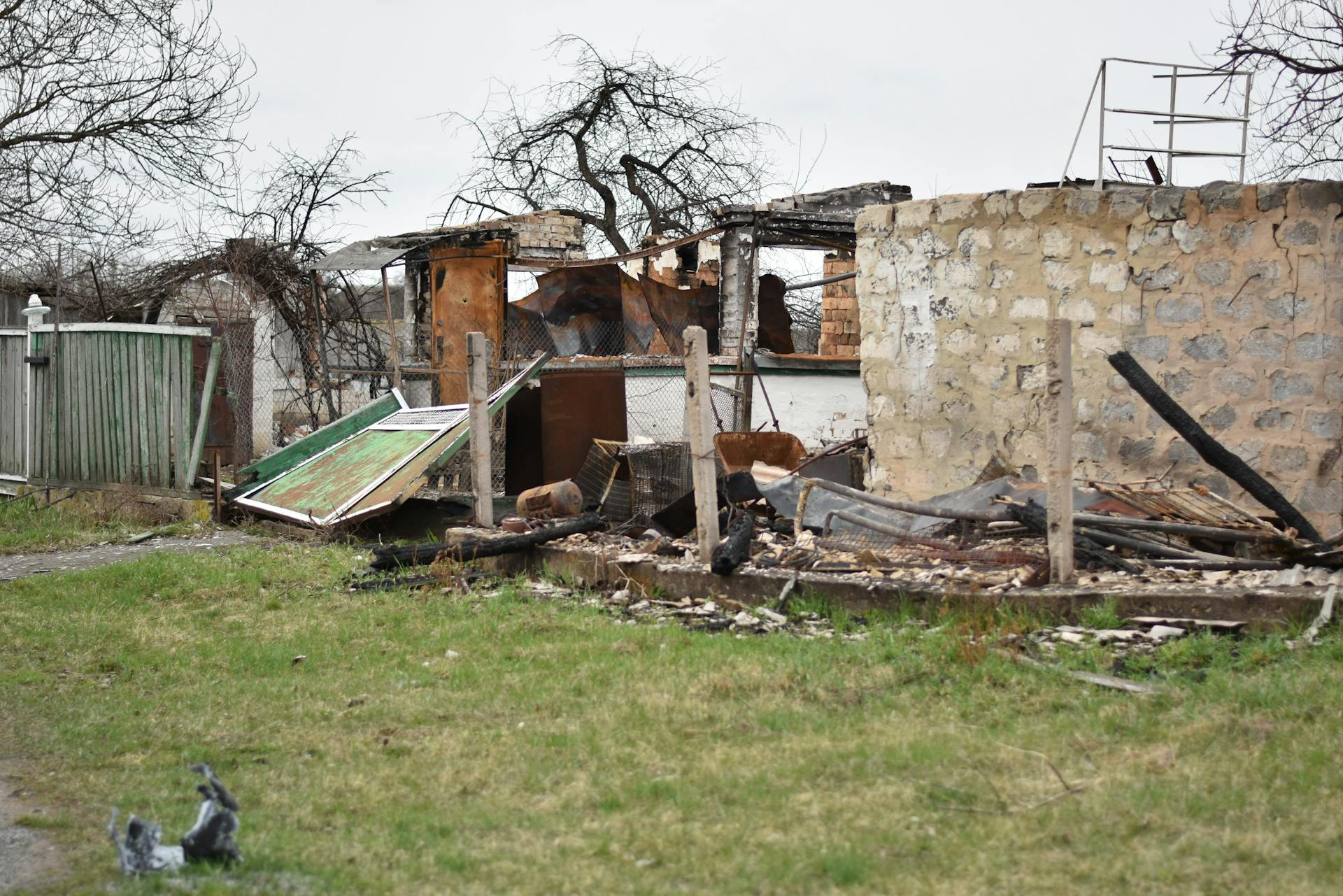
Floods and storms are among the most devastating natural disasters. Each year, they leave behind a trail of destruction—damaged homes, disrupted businesses, and heartbreaking personal loss. As climate change increases the frequency and severity of these events, the need for a robust understanding of damages and loss claims from flood and storm has never been more important.
This comprehensive guide will walk you through the various aspects of filing claims, understanding coverage, and navigating the complexities involved in recovering financially after a natural disaster.
Understanding Damages and Loss Claims
What Constitutes Flood and Storm Damage?
Flood and storm damages refer to physical and financial losses caused directly by heavy rains, overflowing water bodies, hurricanes, cyclones, tornadoes, and windstorms. These damages may include:
- Structural damage to homes, buildings, or other property
- Water damage to interiors, furniture, electronics, and personal items
- Displacement or loss of vehicles
- Damage to crops, fencing, and land in rural areas
- Business interruptions and inventory loss
The extent of these damages can vary widely, from minor leaks to complete destruction.
Immediate and Long-Term Impact
Flood and storm damage can have both immediate and long-term consequences. In the short term, homeowners may be displaced, and businesses may shut down temporarily. Over time, water damage can lead to mold growth, weakening of structural integrity, and depreciation in property value.
Insurance Coverage for Flood and Storm Damage
Standard Homeowners Insurance vs. Flood Insurance
One of the most common misconceptions is that a standard homeowner’s insurance policy covers flood damage. In most cases, this is not true.
- Homeowners insurance typically covers wind-related damages from storms, fallen trees, and broken windows but excludes flood damage.
- Flood insurance, often purchased separately through the National Flood Insurance Program (NFIP) or private insurers, covers losses directly resulting from flooding.
What’s Covered and What’s Not
When evaluating policies, it is critical to understand the scope of coverage. Generally, flood insurance covers:
- Structural damage to buildings
- Essential systems (electrical, plumbing, HVAC)
- Appliances like refrigerators and stoves
- Permanently installed carpeting over unfinished floors
However, it may not cover:
- Temporary housing or alternate accommodation
- Financial losses from business interruption
- Personal vehicles (covered under auto insurance if comprehensive)
Knowing these details helps manage expectations during the damages and loss claims from flood and storm process.
Steps to Take After Flood or Storm Damage
1. Ensure Safety First
Your first priority after any natural disaster should be safety. If there is flooding or structural damage, evacuate the premises and seek shelter. Do not return until authorities declare it safe.
2. Document the Damage
Before starting cleanup efforts, thoroughly document the damage. Take clear photos and videos of every affected area—inside and out. This evidence is crucial when filing claims and can expedite the evaluation process.
3. Notify Your Insurance Provider
Contact your insurance provider as soon as possible. Most companies have a 24-hour claims hotline or mobile app. Provide basic details initially, then submit the formal claim once you’ve gathered all documentation.
4. Make Temporary Repairs
To prevent further damage, make temporary repairs—such as covering broken windows or patching roof leaks—but do not discard any damaged items until the adjuster has evaluated them.
5. Keep Receipts and Records
All expenses incurred due to the storm or flood should be documented. This includes:
- Temporary lodging
- Emergency repairs
- Replacement purchases
- Food and transportation costs (if applicable)
These may be reimbursable depending on your policy.
Filing Damages and Loss Claims from Flood and Storm
Understanding the Claims Process
Filing damages and loss claims from flood and storm involves several steps:
- Initial Notification: Report the incident to your insurance company.
- Assigning an Adjuster: An adjuster will be sent to assess the damages.
- Evaluation and Estimation: A loss estimate will be prepared.
- Settlement Offer: The insurer will provide a payout based on the policy and damage assessment.
- Disbursement: Funds are released for repair and replacement.
This process can take anywhere from days to several weeks or even months depending on the severity of the disaster and insurer’s workload.
Tips to Ensure a Smooth Claim Process
- Be prompt and thorough in your communication
- Provide detailed evidence including receipts, photos, and videos
- Follow up regularly with your claims adjuster
- Hire a public adjuster if you feel the settlement is inadequate
- Avoid fraudulent claims—they are not only unethical but can result in denial or criminal charges
Common Challenges in Claim Settlements
Underinsurance or No Coverage
Many homeowners are shocked to find they’re underinsured or not covered at all. For instance, if your area has never flooded before, you may not have thought to purchase flood insurance.
Disputes Over Damage Valuation
Insurers and policyholders may disagree on the extent of damage or the replacement value. In such cases:
- A second opinion from a contractor can help
- Mediation or arbitration may be used to resolve disputes
- Hiring a public adjuster might help you negotiate a better settlement
Delays in Processing
Following large-scale disasters, insurers can become overwhelmed with claims. This often leads to long delays. It’s important to remain patient but persistent.
Government and Legal Support for Damages and Loss Claims Victims
FEMA and Disaster Assistance
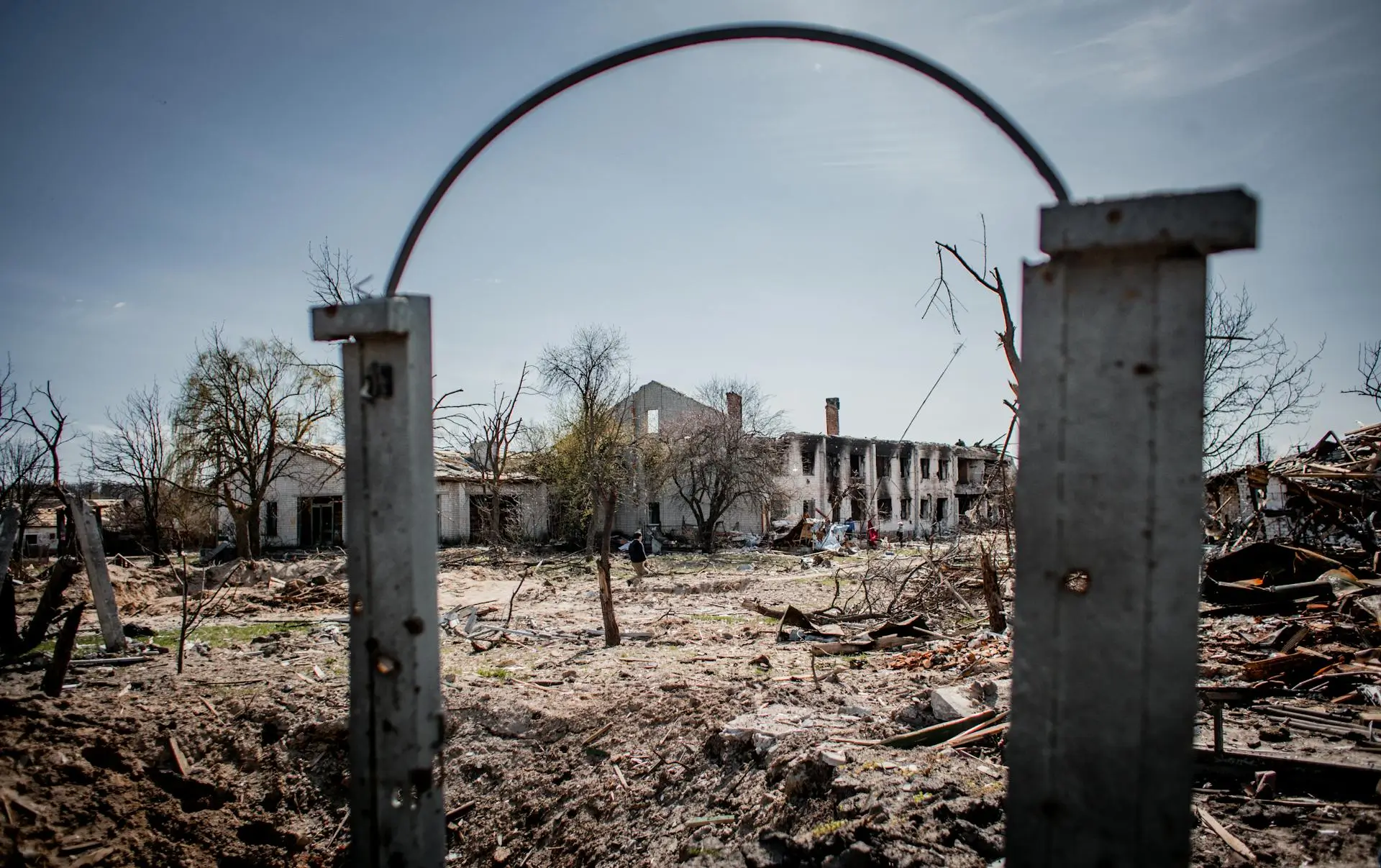
In the U.S., Federal Emergency Management Agency (FEMA) provides limited financial assistance to those affected by federally declared disasters. This may include:
- Temporary housing support
- Grants for emergency repairs
- Assistance with medical or funeral expenses
FEMA aid is not a substitute for insurance but can offer relief when losses exceed your coverage.
Legal Recourse for Disputed Claims
If your insurer denies or undervalues your claim, and negotiation fails, legal action may be warranted. Consulting an attorney experienced in damages and loss claims from flood and storm can help determine if litigation is a viable option.
Business Claims for Flood and Storm Damage
Business Interruption Insurance
Businesses face a unique set of risks. Apart from property damage, operations may halt completely. Business interruption insurance can help cover:
- Lost income
- Ongoing expenses (like rent, salaries)
- Relocation costs
Commercial Property Insurance
Like homeowners, businesses must ensure they have proper flood and storm coverage. Many commercial policies offer optional endorsements to expand protection against natural disasters.
Preparing for Future Damages and Loss Claims
Risk Assessment and Planning
Understanding your flood risk is essential. Check FEMA flood maps and consult with local authorities or insurance agents. If you’re in a high-risk zone, invest in flood insurance and prepare accordingly.
Flood-Proofing Your Property
You can minimize potential damage through:
- Elevating electrical systems and appliances
- Installing sump pumps with battery backup
- Using water-resistant building materials
- Landscaping for better drainage
Creating an Emergency Response Plan
Have a family or business emergency plan that includes:
- Evacuation routes
- Emergency contacts
- Backup data storage
- Insurance policy numbers and documents
Preparation can reduce the severity of loss and improve your ability to file successful damages and loss claims from flood and storm.
Conclusion
Natural disasters like floods and storms are unpredictable, but your response to them doesn’t have to be. By understanding insurance policies, documenting damage thoroughly, and knowing your rights, you can protect your financial well-being.
Filing damages and loss claims from flood and storm may seem overwhelming at first, but with the right steps, tools, and support, you can recover and rebuild. The key is preparation, communication, and persistence.
Whether you’re a homeowner, renter, or business owner, take the time today to review your coverage and develop a disaster plan. Because when the storm hits, the decisions you’ve made in advance can make all the difference.